
Kidney Stones: Causes, Symptoms, Prevention, and Treatment
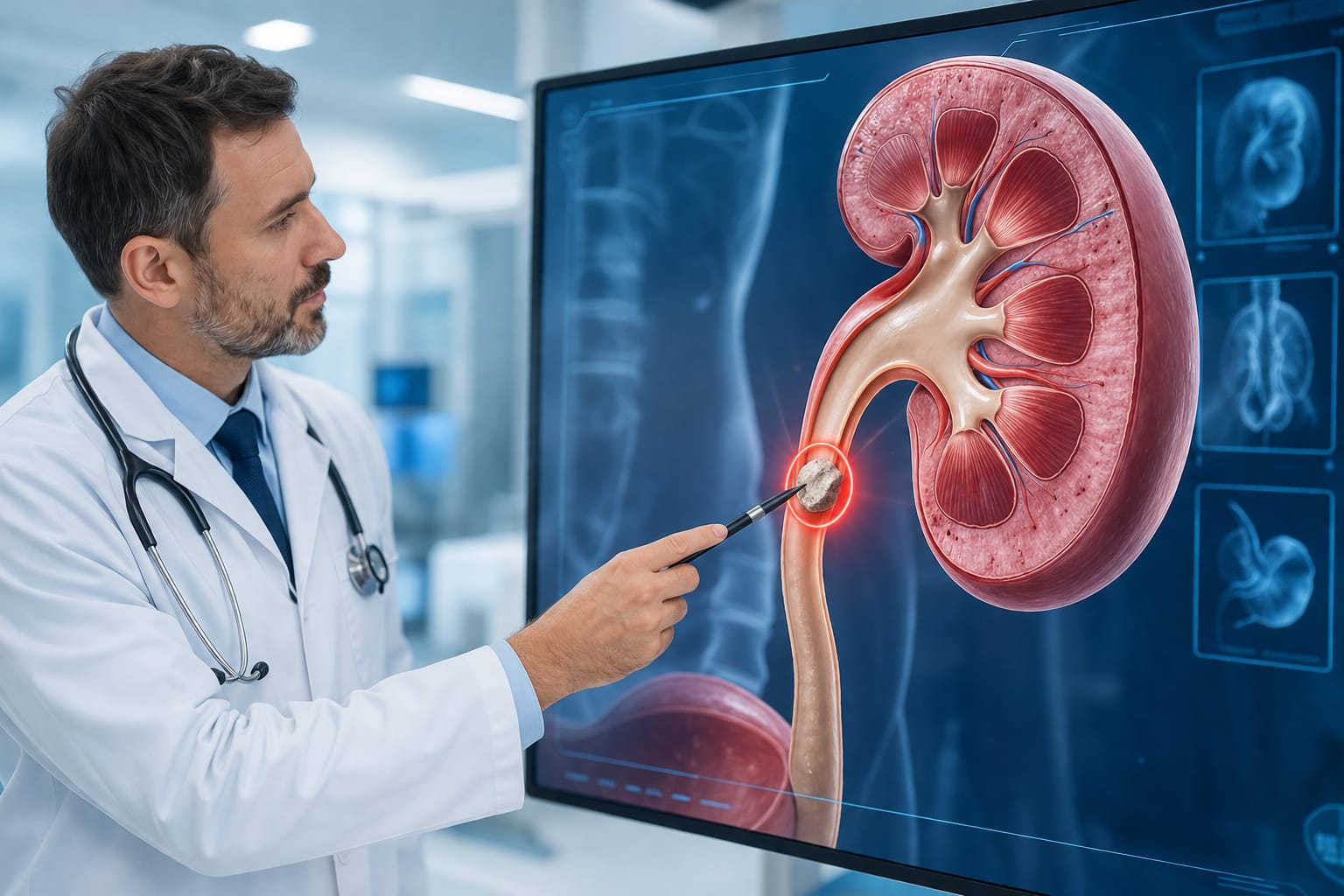
Kidney stones are one of the most common urinary tract conditions affecting people of all ages. They develop when minerals and salts in the urine crystallize and form hard deposits inside the kidneys. While small stones may pass naturally, larger stones can cause severe pain and require medical treatment.
What Causes Kidney Stones?
Several factors contribute to kidney stone formation, including:
Not drinking enough water
High salt intake
Excessive consumption of animal protein
Family history of kidney stones
Obesity
Certain medical conditions and medications
Common Symptoms
Symptoms may include:
Sharp pain in the back, side, or lower abdomen
Pain during urination
Blood in the urine
Frequent urge to urinate
Nausea and vomiting
Fever and chills (if infection is present)
How Are Kidney Stones Diagnosed?
Doctors typically diagnose kidney stones through:
Physical examination
Urine and blood tests
Ultrasound
CT scan
X-rays (in selected cases)
Treatment Options
Treatment depends on the size and location of the stone.
Small Stones
Increased water intake
Pain relief medications
Medicines that help stones pass naturally
Larger Stones
Shock Wave Lithotripsy (ESWL)
Ureteroscopy (URS)
Percutaneous Nephrolithotomy (PCNL)
Laser stone removal
Prevention Tips
Drink 2.5–3 liters of water daily.
Reduce salt intake.
Limit sugary drinks.
Eat a balanced diet rich in fruits and vegetables.
Follow your doctor's dietary advice if you've had stones before.
Conclusion
Kidney stones are painful but highly treatable. Early diagnosis and healthy lifestyle changes can reduce complications and help prevent recurrence.